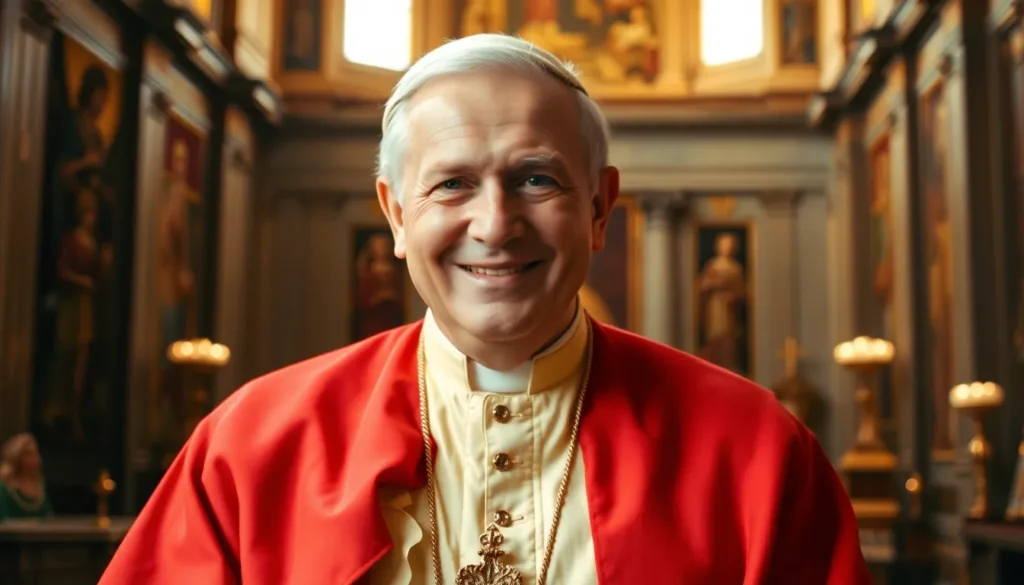
Before the beloved Pope Benedict XVI took the helm of the Catholic Church, there was a man whose papacy was as pivotal as it was intriguing. Pope John Paul II, a name that resonates with millions, held the position for an astonishing 27 years, leaving behind a legacy that’s hard to match. He wasn’t just a religious leader; he was a global icon, a rock star of the papal world, if you will.
With his charismatic presence and unwavering dedication, he transformed the Church and engaged with the world like no other. But what led to his departure and the rise of Benedict? The story is rich with drama, faith, and a touch of humor that even the Vatican would appreciate. Dive into this fascinating journey to uncover the man who paved the way for a new era in the papacy.
Overview of the Papacy
The papacy represents a central leadership position within the Catholic Church. Roman Catholicism defines the Pope as the spiritual leader and successor to Saint Peter. This authority extends to over one billion Catholics globally.
John Paul II’s era laid the groundwork for future popes. His commitment to interfaith dialogue set a precedent for engagement within diverse cultures. The influence he wielded during his 27 years became foundational, shaping the public’s perception of the Church.
Various challenges faced the papacy after John Paul II’s death in April 2005. These included addressing modern issues such as secularism and declining church attendance. Benedict XVI’s election in April 2005 marked a pivotal moment, as he emphasized continuity with his predecessor’s legacy while navigating these challenges.
The election process remains a significant aspect of papal transitions. Cardinals convene in a conclave to elect a new Pope, reflecting the Church’s structured governance. This tradition highlights both the spiritual and administrative facets of the papacy.
Significantly, the papacy serves as a beacon of hope and guidance for many. It offers moral leadership amid global crises, from social justice to environmental concerns. Each Pope builds upon the teachings and actions of their predecessors, reinforcing the importance of continuity in leadership.
The transition from John Paul II to Benedict XVI illustrates the ongoing evolution of the papacy. Adjustments in the Church’s approach help address contemporary challenges in an ever-changing world. The papacy remains essential in shaping the Catholic Church’s mission and outreach efforts.
The Papacy of Pope John Paul II
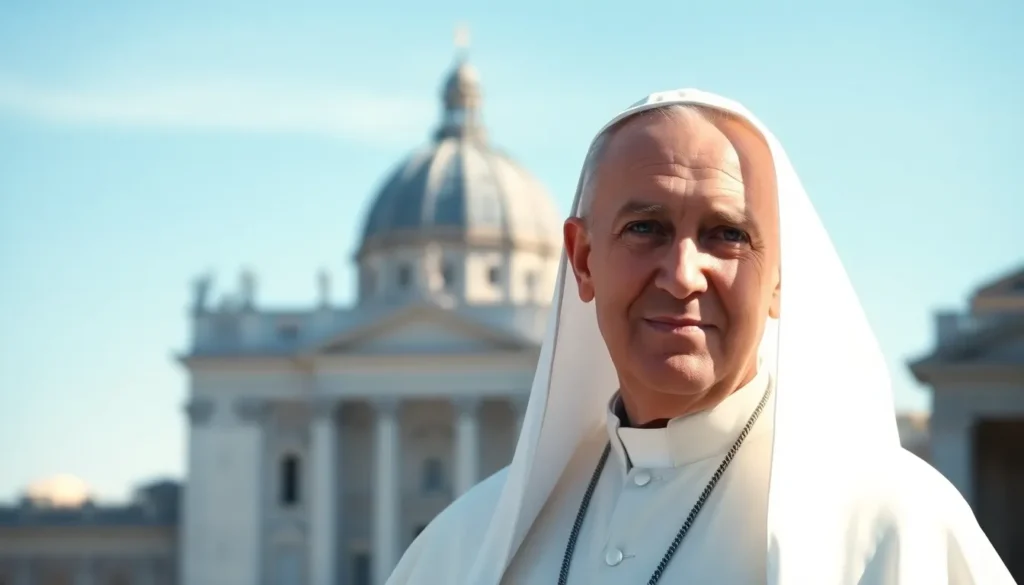
Pope John Paul II served as a transformative figure in the Catholic Church for 27 years. His charismatic presence resonated globally, establishing him as a prominent leader.
Early Life and Career
Born Karol Wojtyła in Poland on May 18, 1920, he experienced profound historical events that shaped his faith and leadership style. He became a priest in 1946 after studying at the Jagiellonian University. Wojtyła quickly rose through the ecclesiastical ranks, becoming the Archbishop of Kraków in 1964. His participation in the Second Vatican Council demonstrated his commitment to church reform and modernization. Cardinal Wojtyła’s election to the papacy on October 16, 1978, marked him as the first non-Italian pope in over 400 years.
Major Achievements
John Paul II’s papacy featured remarkable outreach and significant contributions to global culture. He traveled to 129 countries, becoming a symbol of hope and reconciliation. The establishment of World Youth Day fostered a connection between the Church and young believers. He facilitated closer relations with Judaism and Islam, promoting interfaith dialogue as a means to combat extremism. His encyclicals, particularly “Evangelium Vitae” and “Fides et Ratio,” addressed contemporary issues, guiding the Church’s moral framework.
Impact on the Church
John Paul II’s influence reshaped the Catholic Church’s approach to modern challenges. He inspired a renewed sense of Catholic identity, emphasizing the importance of evangelization. His stance against communism played a pivotal role in Eastern Europe, contributing to the fall of the Iron Curtain. This legacy continues to resonate, providing a moral compass within the Church today. Pope John Paul II’s emphasis on human rights and dignity fortified the Church’s voice in social justice issues.
Transition to Pope Benedict XVI
The transition to Pope Benedict XVI followed the profound impact of Pope John Paul II’s papacy. Upon John Paul II’s death in April 2005, the Catholic Church entered a crucial period of mourning and reflection.
Election Process
The conclave, comprised of cardinal electors, convened to elect the new pope. Cardinals deliberated in secrecy, reflecting on the qualities and vision necessary for the Church’s future. After four days, cardinals cast their votes in a series of ballots. A two-thirds majority of 115 voting cardinals determined the outcome. On April 19, 2005, white smoke signaled the election of Cardinal Joseph Ratzinger, who took the name Benedict XVI, marking a pivotal moment for the Church.
Historical Context
Pope John Paul II’s long reign brought significant global awareness to the Catholic Church. Following his impactful leadership, the Church faced challenges stemming from secularism and declining attendance. Benedict XVI’s elevation to the papacy aimed to continue John Paul II’s legacy while addressing contemporary issues. Born in Germany, Benedict XVI brought a unique cultural perspective, allowing him to engage with diverse thought and tackle modern theological questions effectively. Prioritizing faith and tradition, he navigated the complexities that arose in the Church’s ongoing evolution.
Pope John Paul II’s legacy profoundly shaped the Catholic Church and its global outreach. His unique ability to connect with people from diverse backgrounds and his commitment to interfaith dialogue marked a pivotal era in the Church’s history. As the first non-Italian pope in centuries, he broke barriers and fostered a renewed sense of identity among Catholics.
Following his passing, the transition to Pope Benedict XVI represented a continuation of John Paul II’s mission while addressing new challenges. The evolution of the papacy remains a testament to the Church’s resilience and adaptability in a rapidly changing world. Each pope builds on the foundations laid by their predecessors, ensuring that the message of faith and hope continues to resonate across generations.