Fashion trends are like that unpredictable friend who shows up at the party wearing something utterly outrageous but somehow pulls it off. One minute, everyone’s sporting oversized blazers, and the next, it’s all about sleek athleisure. Keeping up with these ever-changing styles can feel like a full-time job, but it’s also a thrilling ride through creativity and self-expression.
Overview of Fashion Trends
Fashion trends shift rapidly, reflecting societal changes and individual creativity. Styles are influenced by various factors, including cultural movements, celebrity endorsements, and technological advancements. Recent years have seen a surge in sustainability, with eco-friendly materials gaining popularity.
Oversized blazers, once a staple, have transformed into versatile layers, blending comfort with elegance. Athleisure continues to thrive, merging casual wear with high fashion, appealing to those seeking both style and practicality. Bright colors and bold patterns dominate runways, capturing attention and encouraging self-expression.
Streetwear maintains its stronghold, incorporating elements from diverse cultures. Accessories play a crucial role, enhancing outfits with statement pieces like chunky jewelry and oversized bags. Vintage clothing remains relevant, promoting a nostalgic vibe while supporting sustainable practices.
Dominique advised embracing personal style, encouraging exploration beyond mainstream trends. Designers often collaborate to create unique collections, blending different aesthetics and challenging traditional norms. Seasonal fashion shows serve as platforms for innovation, showcasing avant-garde pieces that influence upcoming trends.
Trend forecasting now relies on digital platforms and social media influencers. Fashion enthusiasts track changes through social channels, making it easier to identify what resonates with audiences. Emerging trends often explode online, demonstrating the power of virtual platforms in shaping the fashion landscape.
Fashion’s ability to evolve continuously ensures there’s always something fresh and exciting. Keeping pace with these trends requires an open mind and a willingness to experiment, reaffirming fashion as a dynamic expression of identity.
Historical Perspective on Fashion Trends
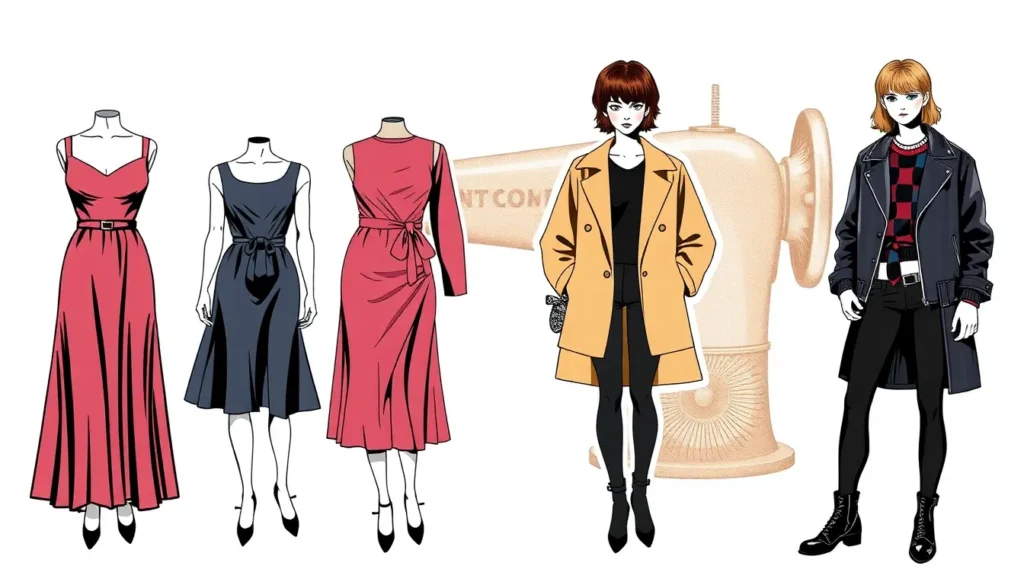
Fashion trends evolve in distinct patterns shaped by cultural and historical influences. Understanding key eras provides insights into the ever-changing landscape of style.
Key Eras in Fashion
The 1920s showcased flapper styles that embraced freedom and rebellion. In the 1950s, elegance defined women’s fashion, with cinched waists and full skirts gaining prominence. The 1980s brought boldness through oversized silhouettes and vibrant colors, while grunge in the 1990s emphasized a carefree, anti-establishment attitude. Each era reflects societal values, capturing unique aesthetics that resonate through time.
Influential Designers and Their Impact
Coco Chanel revolutionized women’s fashion by introducing androgynous styles and the little black dress. Christian Dior’s “New Look” in 1947 redefined femininity with structured designs and voluminous skirts. Yves Saint Laurent blurred gender lines with tuxedo jackets for women, while Gianni Versace brought bold prints and sensuality into the mainstream. These designers left a lasting mark, shaping contemporary fashion and inspiring new generations.
Current Fashion Trends
Fashion trends continuously evolve, reflecting current cultural moments and consumer preferences. Several key areas highlight the most significant developments in the industry.
Streetwear Influence
Streetwear shapes modern fashion with its roots in urban culture. Brands like Supreme and Off-White lead this charge through bold graphics and comfortable fits. The incorporation of luxury elements into casual styles exemplifies this trend, as high fashion designers partner with streetwear labels. Sneakers, oversized hoodies, and baggy pants dominate wardrobes, emphasizing ease and self-expression. Notably, collaborations between mainstream brands and artists enhance appeal, bridging gaps between different fashion circles.
Sustainable Fashion
Sustainability has transformed fashion practices significantly. Consumers now favor eco-friendly materials such as organic cotton and recycled fibers. Brands like Reformation and Patagonia prioritize environmental responsibility, appealing to conscious shoppers. Moreover, secondhand shopping rotates used apparel back into circulation, reinforcing the move toward sustainability. Transparency about sourcing and production processes also plays a crucial role in brand accountability as consumers value ethical practices more than ever.
Digital Fashion and Virtual Influences
Digital fashion emerges as a revolutionary force in the industry. Virtual influencers on social media platforms create unique engagement opportunities, allowing brands to reach wider audiences. The rise of virtual clothing in video games and online avatars highlights this trend, merging technology with personal style. Additionally, digital fashion shows offer innovative avenues for showcasing collections, increasing accessibility for a global audience. Utilizing augmented reality and immersive experiences, brands change how consumers interact with fashion, continually adapting to the digital landscape.
Predictions for Future Fashion Trends
Fashion continually evolves, with new influences and innovations shaping its landscape. Trends set to emerge soon reflect cultural shifts and technological advancements.
Emerging Styles to Watch
Key styles gaining traction include gender-fluid fashion, which encourages breaking traditional boundaries. Furthermore, artisanal craftsmanship emphasizes unique, handmade designs over mass production. Neon colors and bold patterns return, catering to a desire for self-expression. Eco-conscious collections prioritize sustainable materials and recycling methods, appealing to the environmentally aware consumer. Finally, loungewear remains relevant, merging comfort with chic aesthetics as people seek versatile outfits for home and outings.
Technology’s Role in Shaping Trends
Digital tools are revolutionizing how trends develop, allowing designers to showcase collections instantly online. Social media platforms amplify emerging styles through influencers who quickly set trends. Virtual fashion shows replace traditional formats, making collections accessible worldwide. Additionally, augmented reality apps let users try on outfits virtually, enhancing consumer engagement. Blockchain technology ensures authenticity in luxury fashion, creating trust between brands and consumers. Overall, technology significantly shapes future trends, deepening the connection between fashion and its audience.
Fashion trends are a vibrant reflection of creativity and cultural evolution. As styles shift from one season to the next there’s an exciting opportunity for individuals to express their unique identities. Embracing personal style while staying aware of emerging trends can lead to a more fulfilling fashion experience.
The increasing focus on sustainability and technological advancements is reshaping the industry landscape. This evolution encourages consumers to engage with fashion in more thoughtful and innovative ways. By remaining open to experimentation and new ideas fashion enthusiasts can navigate the ever-changing world of trends with confidence and flair. The journey through fashion is not just about following trends but about celebrating individuality and the art of self-expression.