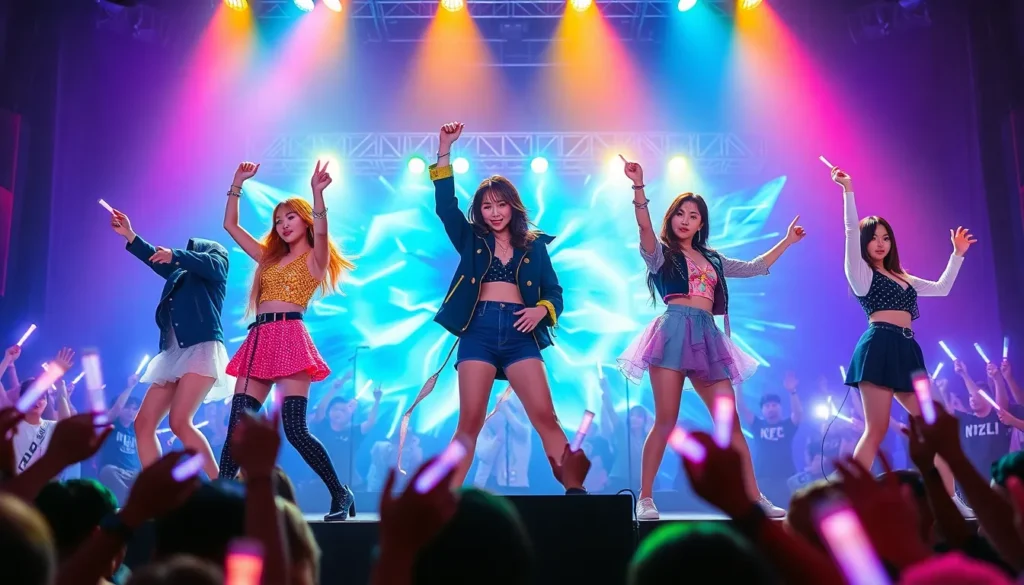
K-pop stars are more than just talented performers; they’re cultural phenomena that have taken the world by storm. With dazzling visuals, catchy tunes, and choreography that could make anyone’s jaw drop, these idols have a knack for turning everyday life into a vibrant spectacle. They’ve got the charisma to make even the most mundane moments feel like a scene from a blockbuster movie.
Overview of K-Pop Stars
K-pop stars epitomize the blend of talent and charisma. These artists excel in various skills, including singing, dancing, and acting, captivating millions globally. Many idols undergo rigorous training before debuting, often spending years perfecting their craft. Groups like BTS and BLACKPINK symbolize the genre’s global reach and appeal.
Notable characteristics define these stars, making them distinct in the entertainment industry. Visual aesthetics play a crucial role in their popularity; striking images and distinctive styles help create memorable personas. Additionally, their music encompasses various genres, incorporating elements from hip-hop to electronic dance music.
Collaborating with international artists enhances their visibility. These partnerships introduce K-pop stars to diverse audiences, contributing to the genre’s rapid expansion. K-pop offers a unique fandom experience. Dedicated fans, known as “stans,” engage actively, participating in promotions and supporting their idols through streaming and social media.
Cultural influence emerges prominently in their work. Themes of love, personal growth, and social issues resonate in their lyrics, fostering connections with listeners. K-pop stars often embrace fashion trends, leading to significant trends within the industry.
Through engaging performances and elaborate music videos, these artists create an immersive experience. The choreography showcases their dance skills, frequently becoming viral sensations. K-pop stars redefine stardom by blending artistic expression with cultural significance, solidifying their status in the global entertainment landscape.
The Rise of K-Pop Stars
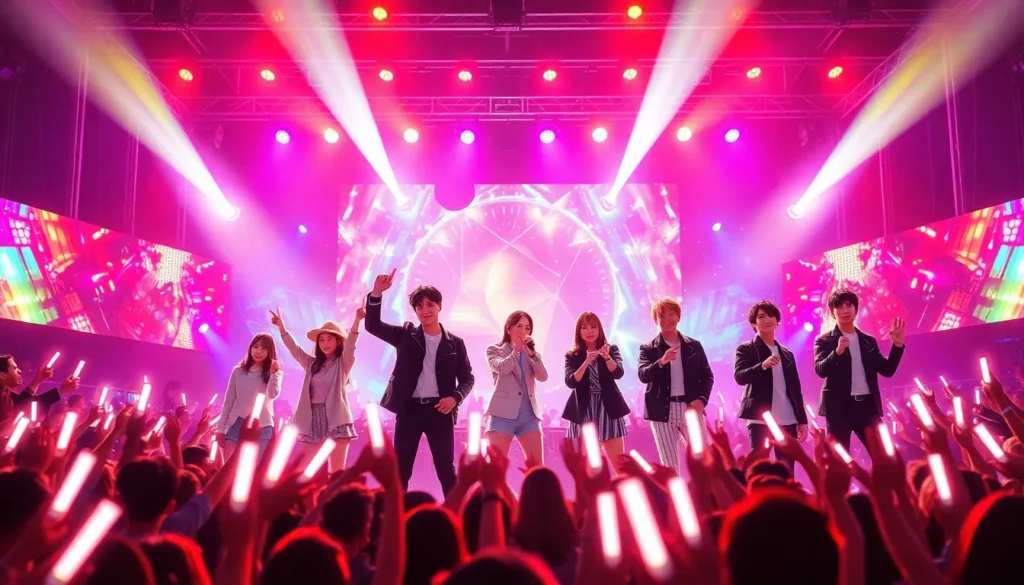
K-pop stars have rapidly become influential figures in the global entertainment industry. Their development can be traced back to the early 1990s in South Korea, when Seo Taiji and Boys introduced a new musical style, incorporating Western genres like hip-hop and rock. This marked the birth of modern K-pop, which evolved to encompass diverse influences and styles.
Historical Background
The emergence of SM Entertainment in 1995 established a model for idol training in South Korea. Trainees undergo extensive preparation, often lasting several years, before debuting in carefully curated groups. Notable groups like H.O.T and S.E.S laid the groundwork for the industry’s growth. By the early 2000s, K-pop began gaining traction in Asia, eventually leading to global recognition with groups like TVXQ and Big Bang. The internet and social media facilitated their international spread, allowing fans worldwide to connect with their favorite idols and contribute to the genre’s popularity.
Global Impact
The influence of K-pop stars extends beyond music. With millions of followers across social media platforms, they resonate with diverse audiences. Billboard charts frequently feature K-pop songs, showcasing the genre’s success on a global scale. Collaborations with artists like Dua Lipa and Halsey further increase their reach. Cultural phenomena such as “Hallyu,” or the Korean Wave, have brought Korean culture to the forefront, making K-pop a significant part of discussions on global pop culture. Engaging performances and visually stunning music videos captivate fans and spark widespread trends, reinforcing their status in the entertainment landscape.
Notable K-Pop Stars
K-pop features a diverse range of talent, showcasing both solo artists and groups who have captured global attention.
Solo Artists
Key figures in K-pop often shine as solo artists, bringing unique styles and personal narratives to their music. Artists like Lee Hi and HyunA have gained recognition not only for powerful vocals but also for their ability to connect emotionally with fans. They embrace various genres, from R&B to pop, showcasing versatility. Dynamic performances at international events further amplify their visibility. The success of solo artists reflects the depth of talent entrenched in the K-pop landscape. Collaborations, such as those with established Western artists, enhance their reach, allowing them to share their music with worldwide audiences.
Groups and Ensembles
Iconic groups and ensembles define the K-pop genre, with names like BTS and BLACKPINK leading the charge. These groups excel in intricate choreography that captivates millions through visually stunning performances. Each member typically brings something different, whether it’s rap, vocals, or choreography, enriching the overall sound. The marketing strategies employed by these groups often include engaging teasers and social media campaigns, drawing fans in from diverse backgrounds. Chart-topping hits and award wins highlight their impact, illustrating how groups work cohesively to create unforgettable experiences. The unity displayed in performances fosters loyalty among dedicated fandoms, further bolstering their fame.
The Influence of Social Media
Social media plays a crucial role in shaping the careers of K-pop stars and amplifying their influence globally. It enables artists to connect with fans in real time, fostering a sense of community and engagement.
Online Presence
K-pop stars maintain vibrant online presences across various platforms. Instagram and Twitter serve as primary channels for sharing updates, personal moments, and promotional content. YouTube plays an equally essential role, hosting music videos and behind-the-scenes footage that draw millions of views. These platforms facilitate direct interaction between idols and fans, creating a personal touch that enhances their appeal. TikTok has also emerged as a vital space for trends, where choreography challenges and viral dances further resonate with younger audiences. This digital landscape maximizes exposure and cultivates a loyal global fan base.
Fan Engagement
Fan engagement thrives through social media interactions and organized activities. Fans, often referred to as stans, utilize platforms to promote their idols, sharing music, videos, and merchandise. Dedicated fan pages provide spaces for discussions, support, and events that unite communities. Live streams and Q&A sessions allow idols to interact directly with their followers and express gratitude for their support. Campaigns like fan voting for awards and charity initiatives showcase the dedication of stans and enhance the relationship between idols and fans. Fostering this deep connection not only strengthens loyalty but also amplifies the cultural impact of K-pop stars worldwide.
Challenges Faced by K-Pop Stars
K-pop stars encounter significant challenges, particularly concerning mental health and industry pressures. These factors can affect their personal well-being and overall performance.
Mental Health Issues
Mental health issues frequently plague K-pop stars. Intense schedules often lead to anxiety and depression. Public scrutiny complicates their lives, with social media amplifying criticism. Pressure to maintain a perfect image can create an overwhelming environment. Frequent instances of burnout underline the importance of mental health resources within the industry. Various idols openly discuss these struggles, highlighting the need for greater awareness and support. Mental health organizations have started to assist idols in coping with these challenges.
Industry Pressures
Industry pressures create a demanding atmosphere for K-pop stars. Long training periods often stretch from several years to a decade. The emphasis on perfection drives intense competition among idols. Companies expect consistent success, contributing to high-stress levels. Contracts typically include rigorous performance schedules, leaving little room for personal time. Additionally, financial expectations place strain on these artists and increase the pressure to deliver hits. Navigating the complexities of this fast-paced environment often proves difficult, necessitating effective coping strategies for maintaining balance.
K-pop stars have undeniably transformed the global entertainment landscape. Their unique blend of talent charisma and cultural significance continues to captivate fans around the world. As they navigate the complexities of fame and the pressures of the industry they also inspire millions through their artistry and personal stories.
The ever-evolving nature of K-pop ensures that it will remain a dynamic force in music and culture. With dedicated fandoms supporting their idols and the genre’s global reach expanding the future looks bright for K-pop stars. Their influence will likely continue to grow shaping trends and connecting diverse audiences across the globe.