Table of Contents
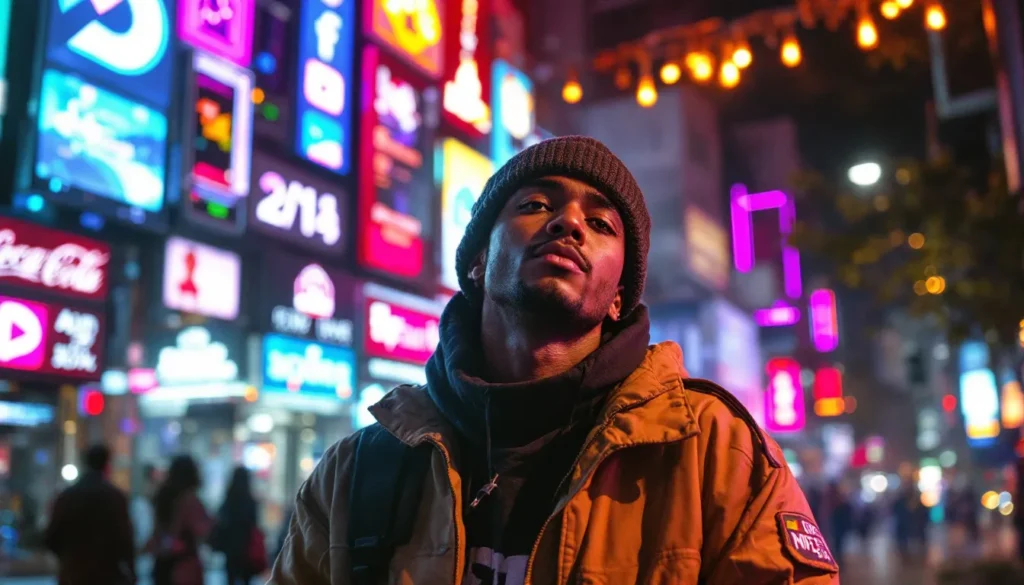
TogglePop culture isn’t just a buzzword tossed around in trendy coffee shops; it’s the heartbeat of society. From viral TikTok dances to blockbuster movies, it shapes how people connect and communicate. But what exactly is pop culture? It’s the ever-evolving tapestry of music, fashion, and entertainment that reflects the values and interests of the masses.
What Is Pop Culture?
Pop culture reflects shared experiences and trends in society. It encompasses various elements such as music, fashion, entertainment, and social media phenomena. This cultural phenomenon evolves quickly, shaped by influences like technology and consumer behavior.
Music plays a central role. Chart-topping hits and viral songs often dominate playlists, influencing listening habits. For example, the rise of streaming platforms has transformed how artists distribute and promote their music.
Fashion trends also showcase pop culture’s impact. Styles frequently change based on famous figures or social media influencers. Items like graphic tees or sneakers can become iconic through celebrity endorsements or popularity on platforms like Instagram.
Entertainment significantly contributes to pop culture. Blockbuster films and television series capture the public’s interest, reflecting societal themes. Series like “Stranger Things” and movies such as “Black Panther” resonate widely, sparking discussions across various demographics.
Social media increasingly shapes pop culture. Platforms like TikTok allow users to create and share content that can go viral. Challenges, dances, and memes emerge quickly, driving trends.
Understanding pop culture involves recognizing how these elements interact. Each facet contributes to a broader cultural narrative that resonates with individual and collective identities. As trends evolve, they provide a window into society’s values and norms, further connecting people across diverse backgrounds.
The Evolution of Pop Culture
Pop culture continuously evolves, influenced by various historical events and technological advancements. Its journey reflects societal shifts and changing values.
Historical Context
Originating in the early 20th century, pop culture has roots in mass media and entertainment. The rise of radio and film in the 1920s set the stage for mainstream cultural phenomena. The 1950s marked the emergence of youth culture, with rock ‘n’ roll music representing rebellion and innovation. By the 1980s, television became dominant, shaping collective experiences through iconic shows. The advent of the internet in the late 1990s transformed pop culture further, allowing for instant access to diverse cultural products. Understanding these historical milestones highlights pop culture’s fluid nature and its reflection of societal changes.
Impact of Technology
Technology plays a crucial role in the evolution of pop culture. Innovations in communication, particularly social media, have reshaped how trends spread. Platforms like TikTok and Instagram accelerate the virality of content, enabling creators to reach vast audiences rapidly. Streaming services such as Netflix and Spotify revolutionized media consumption, allowing personalized experiences and access to global culture. The ability to share, remix, and create content encourages active participation, fostering a sense of community among users. This tech-driven landscape continuously influences what defines pop culture.
Key Elements of Pop Culture
Pop culture encompasses several critical components that reflect societal values and interests within a contemporary setting. These elements significantly contribute to shared experiences among individuals.
Music
Music serves as a powerful cultural force, influencing trends and identities. Chart-topping hits often dominate streaming platforms, shaping listener preferences. Viral songs showcase artists’ creativity and their ability to resonate with audiences. Popular genres evolve over time, with emerging styles defining generational tastes. Collaborations between artists frequently lead to innovative sounds, engaging different fan bases. Social media trends boost music discovery, allowing breakout artists to achieve fame rapidly.
Film and Television
Film and television act as central pillars of pop culture, offering avenues for storytelling and societal reflection. Blockbuster films create global conversations, often mirroring current events or concerns. Iconic shows develop passionate fan followings, driving discussions across social media platforms. Streaming services expand access to diverse content, making various genres available to wider audiences. Award-winning productions highlight talent and creativity, influencing public perception of the industry. Viewers connect deeply with characters and narratives, enhancing the emotional impact of storytelling.
Fashion
Fashion defines personal expression while being heavily influenced by cultural phenomena. Trends evolve quickly, frequently driven by celebrity endorsements and social media influencers. Seasonal collections reflect current societal norms and values, promoting inclusivity and diversity. Streetwear and high fashion often intersect, showcasing contemporary styles that impact everyday wardrobes. The emergence of sustainable fashion raises awareness regarding ethical consumerism. Seasonal fashion weeks highlight innovative designs, creating enthusiasm within the industry and among consumers.
The Role of Social Media in Pop Culture
Social media drastically alters the landscape of pop culture. Platforms like TikTok and Instagram serve as catalysts, enabling trends to surge across global audiences. Users create and share content rapidly, allowing viral sensations to emerge overnight. These platforms empower individuals to influence cultural conversation, with many becoming celebrities in their own right.
Engagement on social media offers artists and creators a direct line to their audiences. Musicians can share their latest tracks, gaining immediate feedback and visibility. Filmmakers and actors promote their projects through interactive campaigns, which often generate buzz long before a release date. This accessibility fosters a sense of connection between creators and fans.
Users also showcase personal expression through social media. Fashion trends often arise from street-style posts and influencer content. Those following such accounts mimic styles and promote brands, creating a continuous cycle of influence. Memes and challenges further exemplify this interaction, where users transform everyday content into culturally significant pieces.
Social media acts as a reflecting pool for society’s interests and values. Trends often intersect with current events, addressing social issues and shaping public discourse. Movements like #BlackLivesMatter gain momentum in these digital spaces, pushing societal conversations to the forefront.
To navigate this dynamic environment, understanding its nuances becomes essential. Creators and brands adapt their strategies to align with the rapid pace of change. Metrics on engagement and reach offer insights into what resonates best with audiences. This evolution continues, as social media reshapes how society engages with pop culture on a daily basis.
Pop culture serves as a mirror reflecting society’s evolving values and interests. Its dynamic nature fosters connections among individuals while shaping collective identities. As trends emerge and fade in the blink of an eye, they reveal deeper insights into cultural shifts and shared experiences.
With the rapid advancement of technology and the rise of social media platforms, the way people engage with pop culture continues to transform. This ongoing evolution emphasizes the importance of understanding these trends for creators and brands aiming to connect with audiences. Ultimately, pop culture remains a vital force in shaping conversations and influencing the world around us.