Television revivals are like that old sweater hiding in the back of the closet—familiar, comforting, and surprisingly stylish when pulled out for another round. As nostalgia sweeps across the small screen, networks are digging up beloved classics and giving them a fresh coat of paint. Who wouldn’t want to relive the glory days of their favorite characters, all while binge-watching from the comfort of their couch?
Overview of Television Revivals
Television revivals have surged in popularity, capturing the hearts of audiences eager for familiar stories. Many networks capitalize on nostalgic value by bringing back shows that once captivated viewers. Revival examples include “Will & Grace” and “The X-Files,” which not only honored original narratives but also adapted to contemporary themes.
Viewers often relish the return of beloved characters. These characters allow fans to reconnect with their past while exploring fresh storylines. In many cases, revivals introduce new cast members, adding unique dynamics and perspectives to established relationships.
Production techniques have evolved, enhancing the quality of revived series. Advanced storytelling, updated visuals, and modernized humor cater to today’s audience expectations. Revival seasons often benefit from higher budgets, allowing for expansive sets and elaborate production values.
The trend towards relaunching older series stems from successful pilot tests and established fan bases. Networks assess audience demand through social media engagement and streaming data. Such research reveals that nostalgia plays a crucial role, influencing viewing habits and subscription growth.
Revenue streams find opportunities through merchandise and cross-brand partnerships. Revived shows attract advertisers targeting both original fans and a new generation. Viewer engagement remains strong, indicating a sustained interest in revisiting cherished television.
Emerging streaming platforms provide additional avenues for revivals, offering flexibility in how viewers consume content. The binge-watching culture complements the revival concept, allowing rapid consumption of new episodes paired with legacy content. Overall, television revivals create a bridge to the past while positioning familiar narratives within a modern context.
Popular Trends in Television Revivals
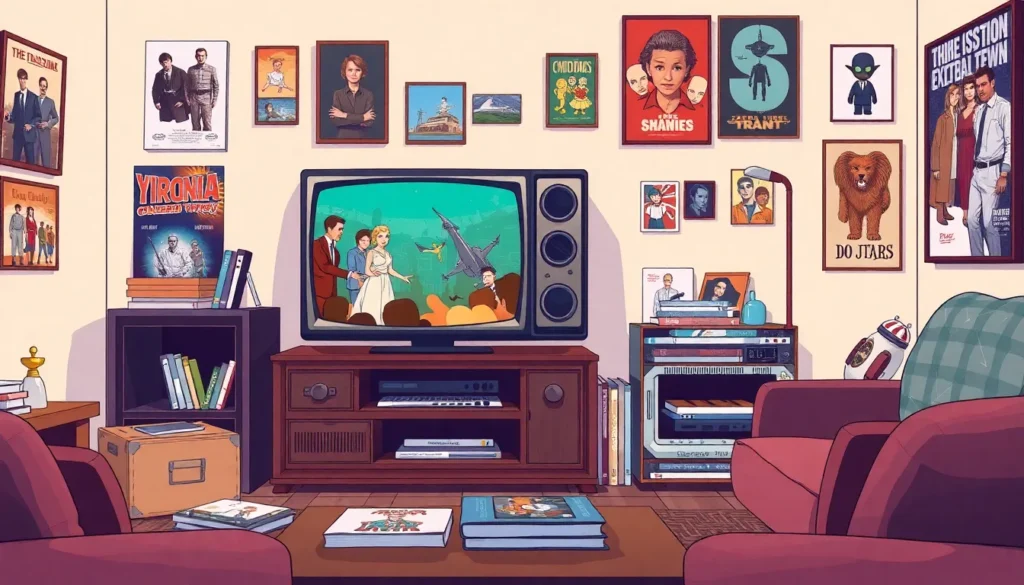
Television revivals reflect a significant trend in the industry, driven by nostalgia and the demand for familiar storytelling. Networks leverage these elements to engage both veteran fans and new audiences.
Nostalgia Factor
Nostalgia plays a crucial role in the success of television revivals. Viewers connect emotionally with beloved characters and storylines from their youth. Reviving classic shows allows networks to tap into fond memories while updating narratives for modern audiences. Programming often incorporates contemporary themes, making historic content relevant again. Fans’ shared experiences boost social media buzz, enhancing audience engagement. The powerful connection to iconic moments ensures that revivals resonate on various platforms. Merchandise associated with these revivals further solidifies the nostalgic connection, leading to increased revenue opportunities for networks.
Reboots vs. Revivals
Reboots and revivals serve distinct purposes in television. A reboot typically reimagines a show, altering characters and storylines for a new vision. In contrast, a revival focuses on continuing original narratives while preserving core elements. Revivals often bring back original cast members, creating continuity and familiarity for the audience. Popular examples include “Gilmore Girls: A Year in the Life” and “Fuller House,” which embrace the essence of their predecessors while introducing new dynamics. Audiences benefit from the continuity of beloved characters along with fresh perspectives. Understanding the differences highlights why networks choose one approach over the other in responding to viewer demand.
Notable Examples of Television Revivals
Television revivals highlight the blend of nostalgia and modern storytelling. Various beloved series have made successful comebacks, capturing the essence that initially drew viewers in.
Classic Series Revivals
“Will & Grace” and “The X-Files” serve as prime examples of classic series revived for new audiences. Both series retained original cast members, preserving character continuity. Contemporary themes enriched their narratives, appealing to both existing fans and newcomers. “Gilmore Girls: A Year in the Life” exemplified how warm familiarity could coexist with fresh storylines. Expanded character arcs allowed for deeper explorations of relationships, enhancing viewer engagement.
Recent Releases
Newer revivals continue to draw interest. “Fuller House” presented a modern twist on the original “Full House,” featuring family dynamics and nostalgia. “Dark Crystal: Age of Resistance” revived a cult classic, introducing viewers to a visually stunning universe while appealing to original fans. Another notable release, “Saved by the Bell,” updated its legacy for a new generation while tackling current issues. These revivals illustrate the ongoing trend of adapting beloved narratives to resonate with today’s audiences.
The Impact of Television Revivals on Viewership
Television revivals significantly influence viewership, attracting both original fans and new audiences.
Audience Reception
Viewers often express joy in reconnecting with beloved characters. Familiar faces evoke strong emotions from past seasons, making series relatable and engaging. Social media platforms serve as hubs for discussion, with fans sharing their excitement. Streaming data indicates that shows like “Will & Grace” experience high engagement rates upon revival. Audiences appreciate the blend of nostalgia and modern storytelling, creating a compelling draw. Ratings frequently reflect this enthusiasm, leading to successful seasons. Providing fresh perspectives yet retaining core elements keeps viewers invested. Consistent character development plays a crucial role in nurturing viewer loyalty.
Critical Response
Critics analyze television revivals for their execution and fidelity to original narratives. Many reviews praise the balance between honoring past storylines and incorporating contemporary issues. Revivals such as “The X-Files” receive acclaim for maintaining suspenseful elements while appealing to modern sensibilities. Critics often note that the updated production techniques elevate visual quality, enhancing viewer experience. However, some commentators argue that not all revivals meet expectations, pointing out flaws in character development or lack of originality. Overall, critical response varies, but many appreciate the nostalgic aspect coupled with a fresh approach. A successful revival manages to captivate both audiences and critics alike.
Future of Television Revivals
Television revivals will continue to thrive as networks adapt to audience preferences. Streaming platforms expand opportunities for creators, allowing a wider range of narratives to emerge. The growth in demand for nostalgia-driven content indicates that viewers cherish connections with past shows while embracing new perspectives.
Networks increasingly use data from social media and streaming habits to gauge viewer interest. Audience engagement suggests that revived shows not only attract original fans but also appeal to new generations. Revivals like “Will & Grace” and “Gilmore Girls” demonstrate how staying true to original storylines resonates with loyal viewers.
Production quality plays a crucial role in the success of these revivals. Modern resources enable creators to enhance storytelling with innovative techniques. Upgraded visual effects, sound design, and diverse casting contribute to a more immersive viewing experience. Each revival must strike a balance between nostalgia and fresh ideas to capture audience attention.
Merchandising opportunities grow alongside revived shows, appealing to both nostalgic fans and newer viewers. Advertisers recognize the emotional connections these revivals cultivate, enhancing revenue streams. In light of this trend, networks are likely to invest more in revivals that offer both nostalgia and contemporary relevance.
Each revival adds to the rich tapestry of television history, inspiring new visions based on beloved classics. Character development remains essential for maintaining viewer loyalty and engagement. Successful future revivals will need to navigate the fine line between honoring original content and introducing new dynamics, ensuring audience satisfaction while advancing modern storytelling.
Television revivals represent a powerful blend of nostalgia and modern storytelling. As networks continue to tap into the emotional connections viewers have with beloved characters, the demand for these shows is likely to grow. The success of revivals hinges on balancing respect for original narratives while introducing fresh elements that resonate with today’s audiences.
With advancements in production quality and data-driven insights guiding decisions, the future of television revivals looks promising. They not only foster joy among long-time fans but also attract new viewers eager to explore familiar worlds. As the landscape of television evolves, revivals will remain a key strategy for engaging audiences and enriching the viewing experience.