
Bleeding before a period can feel like an unwelcome surprise, like finding out your favorite snack is sold out. It’s confusing and often raises more questions than answers. Is it a sign of something serious? Or just your body’s way of throwing a little pre-party before the main event?
Common Causes of Bleeding Before Menstruation
Bleeding before menstruation can occur due to various factors. Understanding these causes helps in recognizing when to seek medical advice.
Hormonal Imbalances
Hormonal imbalances frequently contribute to bleeding before a period. Estrogen and progesterone fluctuations can lead to early shedding of the uterine lining. Stressors, weight changes, and lifestyle habits often disrupt hormone levels. Conditions like polycystic ovary syndrome may also cause irregular bleeding. Monitoring symptoms can provide insights into the body’s hormonal health.
Pregnancy-Related Issues
Pregnancy-related issues often manifest as bleeding before a missed period. Implantation bleeding typically occurs when a fertilized egg attaches to the uterine wall, leading to light spotting. Ectopic pregnancies can provoke unexpected bleeding and require immediate medical attention. Miscarriage is another possibility, presenting with bleeding and cramping. Any unusual bleeding during early pregnancy necessitates consulting a healthcare provider for assessment.
Other Medical Conditions
Other medical conditions can cause bleeding before menstruation. Conditions such as fibroids or polyps may lead to irregular bleeding, affecting many women. Infections like pelvic inflammatory disease can also result in unexpected spotting. Conditions such as endometriosis often present with atypical bleeding and pelvic pain. Medical evaluation is crucial for identifying underlying issues and determining appropriate treatment options.
Symptoms to Watch For

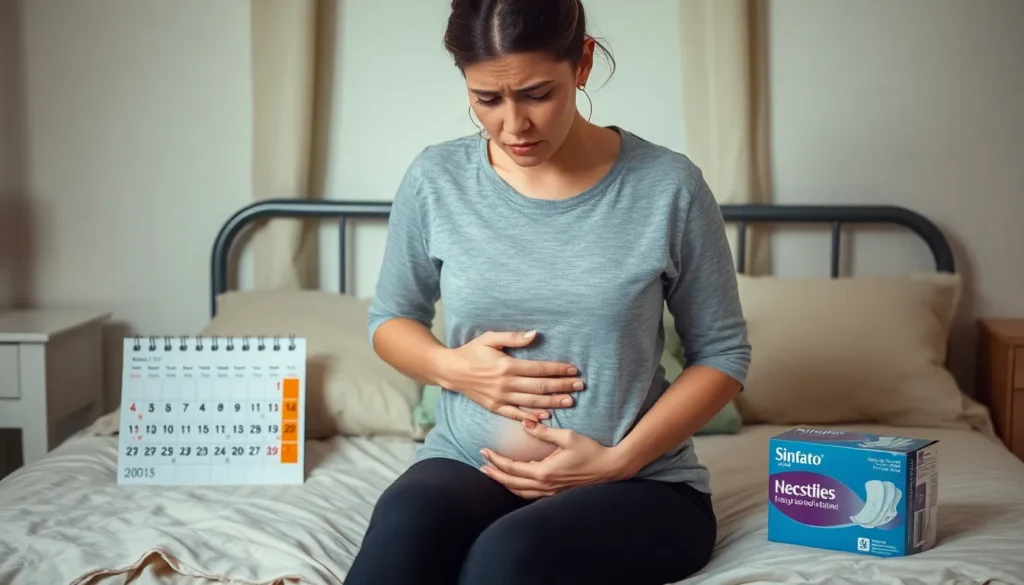
Identifying symptoms linked to bleeding before a period is crucial for understanding the situation. Recognizing the differences in bleeding patterns can guide decisions on seeking medical advice.
Light Spotting vs. Heavy Bleeding
Light spotting often signifies early hormonal changes or potential implantation bleeding. Many individuals experience this as just a few drops of blood, usually brown or pink, that might last a few hours to a couple of days. Heavy bleeding, however, may indicate more serious conditions such as fibroids or infection. This type of bleeding typically appears as a significantly increased flow of blood, lasting longer and often requiring frequent pad changes. Distinguishing between these patterns helps gauge urgency and decide if medical evaluation is necessary.
Associated Symptoms
Associated symptoms play an important role in assessing the situation. Cramps accompanying pre-period bleeding may indicate hormonal fluctuations or ovulation. Other signs, like fatigue or breast tenderness, can also raise awareness of changes in the body. Nausea might indicate a possible pregnancy or hormonal imbalance as well. Experiencing unexplained weight changes or irregular cycles should prompt further investigation. Tracking these symptoms aids in understanding the underlying cause, ensuring appropriate action is taken.
When to See a Doctor
Experiencing bleeding before a period can raise concerns that warrant professional attention. Observing unusual changes in bleeding patterns or associated symptoms requires careful consideration.
Importance of Medical Evaluation
Medical evaluation plays a crucial role in identifying underlying health issues. Persistent or heavy bleeding often indicates potential complications like fibroids or infections. Seeking a healthcare provider’s insight ensures accurate diagnosis and appropriate treatment. Conditions like polycystic ovary syndrome and endometriosis can significantly affect well-being, making timely evaluation essential. Additionally, early intervention can alleviate discomfort and prevent future complications. Recognizing symptoms such as severe cramps or fatigue during bleeding may signal that professional advice is necessary.
Potential Diagnostic Tests
Healthcare providers often recommend specific diagnostic tests to ascertain the cause of irregular bleeding. Blood tests frequently check hormone levels and rule out pregnancy-related issues. Pelvic exams allow for a physical assessment of organs, helping identify potential abnormalities. Ultrasounds provide visual insight into the uterus and ovaries, detecting fibroids or cysts. In some cases, endometrial biopsies assess uterine lining health and detect concerns. Utilizing these tests helps form a comprehensive understanding of the individual’s health status, assisting in developing appropriate treatment plans.
Lifestyle Factors Influencing Bleeding
Lifestyle factors can significantly influence premenstrual bleeding. Understanding these factors might clarify why bleeding occurs before a period.
Stress and Its Impact
Stress can disrupt hormonal balance, leading to irregular bleeding patterns. Emotional and physical stressors affect the body’s endocrine system, which regulates hormones. High levels of cortisol can result in unexpected bleeding. Managing stress through techniques such as mindfulness, yoga, and exercise may help stabilize menstrual cycles. Keeping a stress journal to identify triggers could provide insights into patterns impacting health.
Diet and Nutrition Considerations
Diet and nutrition play a crucial role in menstrual health. Insufficient intake of vitamins and minerals can lead to hormonal fluctuations. A balanced diet rich in fruits, vegetables, whole grains, and lean proteins supports overall well-being. Omega-3 fatty acids, found in fish and nuts, may help reduce inflammation and regulate menstrual cycles. Additionally, staying hydrated supports blood volume and circulation, which are vital during menstruation.